Inside the Process: How High-Purity Hydrocarbon Streams Are Produced
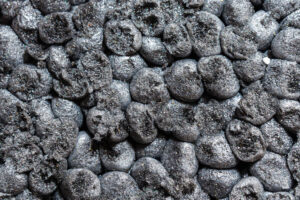
Pure hydrocarbons run the chemical industry. Without them, no plastics. No solvents. No synthetic materials. However, crude oil is extracted from the earth in a messy state, a mixture of many compounds. Transforming that black sludge into 99.9% pure chemicals? That takes serious processing power. Raw petroleum goes through hell and back before it becomes anything useful.
Starting with Raw Materials
Crude oil shows up differently every time. Saudi and Texas crude are not the same. Yesterday’s shipment differs from tomorrow’s. Some batches stink of sulfur. Others flow like water. A few barely pour at all. This inconsistency drives operators crazy. They can’t just flip a switch and expect results. So they blend. Test everything. Density checks. Contamination scans. Sulfur measurements. All this data feeds into processing decisions. Processors take what they get. Markets dictate availability. Prices fluctuate wildly. One month Venezuelan heavy crude looks cheap. The next month it’s Nigerian light. Flexibility keeps plants running regardless of what flows through the pipes.
The Distillation Foundation
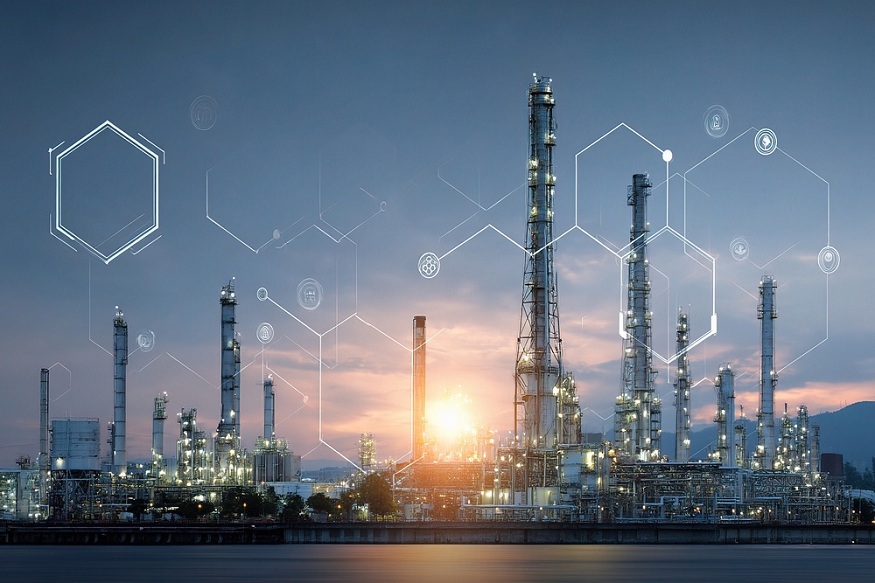
Those massive towers at refineries? Distillation columns. They’re basically giant stills. Pump in crude at 700 degrees. Watch it boil. Vapors rise. Physics takes over from there. Hot vapor climbs the tower. Colder temperatures up high make different components condense at different levels. Propane near the top. Gasoline components below that. Diesel range in the middle. Thick tar stays at the bottom.
Read More: Reducing Supply Chain Risk in Aircraft Manufacturing
However, here’s the issue. Boiling points are similar for many hydrocarbons. They refuse to separate cleanly. You want pure hexane? Too bad. Heptane tagged along. Maybe some pentane, too. Distillation gets you close, but not close enough for high-purity work.
Control freaks run these towers. And that’s good. Mess up the temperature profile? Products contaminate each other. Wrong pressure? Separation fails. Feed rate too fast? Everything blurs together. Operators watch gauges obsessively. They tweak steam injection. Adjust reflux. Change vacuum levels. Tiny adjustments prevent major problems.
Advanced Separation Technologies
Distillation can’t do everything. So processors add tricks to their arsenal. Extraction pulls specific molecules out using solvents. Like dissolving sugar in water while leaving sand behind. Choose the appropriate solvent, isolate your target, and then retrieve both individually.
Some facilities go high tech with membrane separation. These filters work at a molecular level. Right-sized molecules slip through. Wrong ones bounce off. Less energy than distillation. Cleaner too. Petrochemical processors like Trecora exemplify this approach, combining traditional and innovative methods to achieve exceptional purity levels in their hydrocarbon streams.
Catalysts change the game entirely. They reshape molecules rather than just sorting them. Break big chains into useful fragments. Stick small pieces together. Convert unwanted compounds into valuable products. All without consuming the catalyst itself. It’s molecular surgery performed millions of times per second.
Read More: Business Setup Costs in Dubai: Free Zone vs Mainland
Quality Control and Testing
Trust but verify? More like never trust, always verify. Samples are pulled constantly. Labs run these samples through analytical gauntlets. Mixtures are separated into individual molecules by gas chromatographs. Mass spectrometers analyze compounds. These machines spot contamination at ridiculously low levels. Parts per billion matter when customers demand ultra-pure products. One bad batch ruins reputations. Maybe contracts, too.
Automated sensors watch everything continuously. Temperature probes. Pressure gauges. Flow meters. Composition analyzers. Data streams to control rooms where operators monitor trends. Something drifts out of spec? Alarms sound. Corrections happen fast, or product goes to waste tankage.
Conclusion
High-purity hydrocarbon production combines brute force with surgical precision. Raw crude enters. Pure chemicals exit. Dozens of processes work on impurities between these points, all while keeping the target molecules intact. Technology keeps advancing. Purity levels climb higher. Customers demand better. Processors deliver because they must. The invisible complexity inside these facilities produces the foundation materials our world depends on every single day.