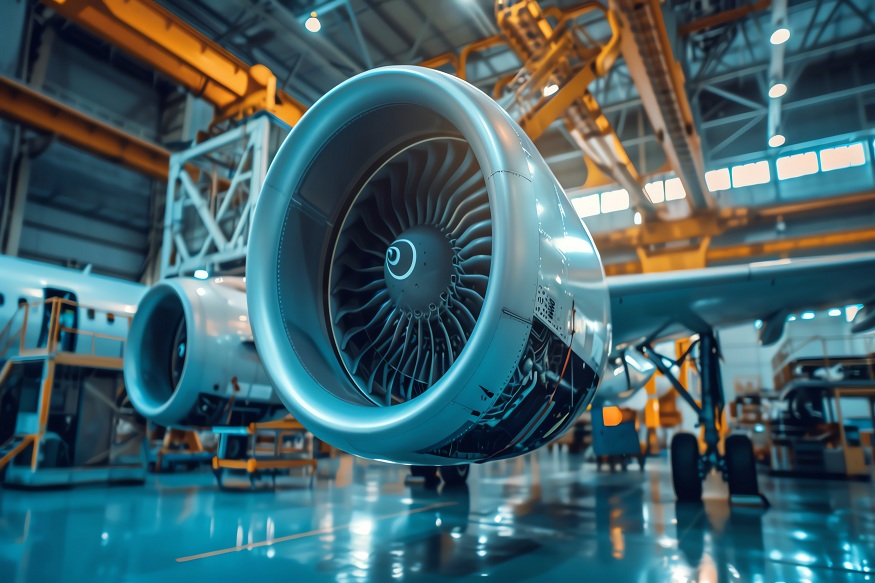
A new aircraft starts with someone asking, “What if?” What if cargo planes could haul twice today’s loads? What if passenger jets burned 30% less fuel? But that napkin sketch faces years of bruising tests before anybody flies anywhere. Getting certified isn’t about filing paperwork. It’s about proving that it is durable enough to withstand harsh environmental conditions.
Starting with the Right Bones
Think of aircraft structures as skeletons; they keep everything from collapsing into a heap. A cargo hauler needs floors that will not sag under pallets of car parts. Jet frames must withstand 9Gs without structural failure. Airlines seek planes with long operational lifespans. Making the wrong choice now will cause problems later on. Computers crunch the early numbers. Feed in your requirements, watch designs pop out. Neat and tidy. Except computers miss stuff. They always do. That’s when engineers roll up their sleeves.
Building and Breaking
Now comes the expensive part. Companies build beautiful airplane parts just to smash them to bits. Wings get bent until they snap like twigs. Fuselages get pumped full of pressure until they split open. Landing gear gets dropped onto concrete from stupid heights.
Read More:Reducing Supply Chain Risk in Aircraft Manufacturing
Sounds wasteful? Maybe. But every spectacular failure on the test floor prevents a disaster at cruising altitude. That wing that folded at 154% of maximum load? Now engineers know they’ve got a 54% safety cushion. The fuselage that popped after 80,000 pressure cycles? Time to beef up that weak spot.
Testing starts small. Credit card-sized samples go first. Then bigger chunks: a wing section here, a tail piece there. Eventually they torture an entire airplane. Some poor bird sits in a hangar for months while machines pump, pull, and pound it through decades of simulated flights. One test rig might cycle the wings up and down three times per second, twenty-four hours a day, for weeks straight. Boring to watch. Critical to get right.
The Materials Game
Old-school aluminum is predictable. It dents, it cracks, engineers know its tricks. But aerospace composites play by different rules, and firms like Aerodine Composites have mastered these temperamental materials. Carbon fiber doesn’t give warning shots – it’s perfect, or it’s confetti. No middle ground.
Temperature swings make things interesting. That wonder material that works great in Arizona might shatter like a frozen candy bar in Minnesota. Some composites suck up water like thirsty camels, getting weaker with every drop. Engineers subject them to extreme conditions.
The learning curve is steep. Inspectors need new tools since you cannot just eyeball composite damage like a dented beer can. Repair techs need different training. Even the bolts that hold everything together behave weirdly when you mix metals and composites.
Proving It to the Feds
The FAA wants receipts. For everything. A new aircraft generates enough paperwork to bury a small building. Every rivet, every calculation, every coffee-fueled design argument; documented, filed, cross-referenced. FAA inspectors show up unannounced. They watch tests and they dig through data. They ask pointed questions that make senior engineers sweat. Find one problem, and months of work might need redoing. Nobody enjoys this dance, but nobody wants to explain why they rushed things after something goes wrong at 30,000 feet.
Conclusion
Aircraft certification is a marathon through mud. Years of math, testing, failure, head-scratching, and starting over. It’s thankless work that passengers never see or appreciate. That’s the idea. No one should question whether a plane’s wings will hold. There’s no reason for them to worry about stress concentrations or fatigue cycles. The structures function seamlessly as passengers focus on comfort and snacks. That invisible reliability? That’s what matters. Aircraft structures are so well-tested, they require no second thought.
Read More:Business Setup Costs in Dubai: Free Zone vs Mainland