How Better Insulation Can Reduce Heating and Cooling Costs in Commercial Buildings
Commercial buildings like shopping plazas, hospitals, office parks, and warehouses use lots of energy. For instance, the utility bill each month shows that the HVAC system runs continuously. In fact, many building owners do not realise that much of the cost is tied to hidden components such as insulation within walls, ceilings, and floors.
Billions of Dollars, Leaking Quietly
American commercial buildings collectively spend a staggering amount on energy each year. Heating and cooling consume the largest portion. The problem worsens in older constructions because the HVAC system is basically fighting a building envelope that lets thermal energy leak out.
Read More: Building Scalable Enterprise IT Teams Without Increasing Permanent Headcount
That tug of war plays out on every monthly statement. For a business owner watching margins, those extra dollars bleeding away through underperforming walls and rooftops add up to a painful number over time.
How Heat Sneaks Through a Building
Thermal energy gets through walls, roofs, and floors. It does so via conduction, convection, and radiation. Every part of a building lets a bit of heat slip through. Weak insulation speeds the process up. Strong insulation puts the brakes on it. A metal-walled warehouse in Houston on a July afternoon tells the story pretty clearly. Without proper insulation, the interior bakes. The AC runs flat out, the meter spins, and the bill swells. Flip the calendar to January in Chicago and the same thing happens in reverse. Heat pours out through every gap and thin spot while the furnace scrambles to keep up.
Most Commercial Buildings Were Built to the Bare Minimum
Here is something many people don’t realize. Building code sets the lowest acceptable bar. That’s it. Most commercial structures went up meeting minimum code and nothing beyond. Code is the starting line, not the finish. Things get worse from there. Insulation settles. Moisture creeps in. Gaps form around pipes, ducts, and joints. A building that barely passed inspection twenty years ago is almost certainly underperforming now. The HVAC system compensates for all of it, and the building owner pays for all of it.
Newer Materials Have Changed the Math
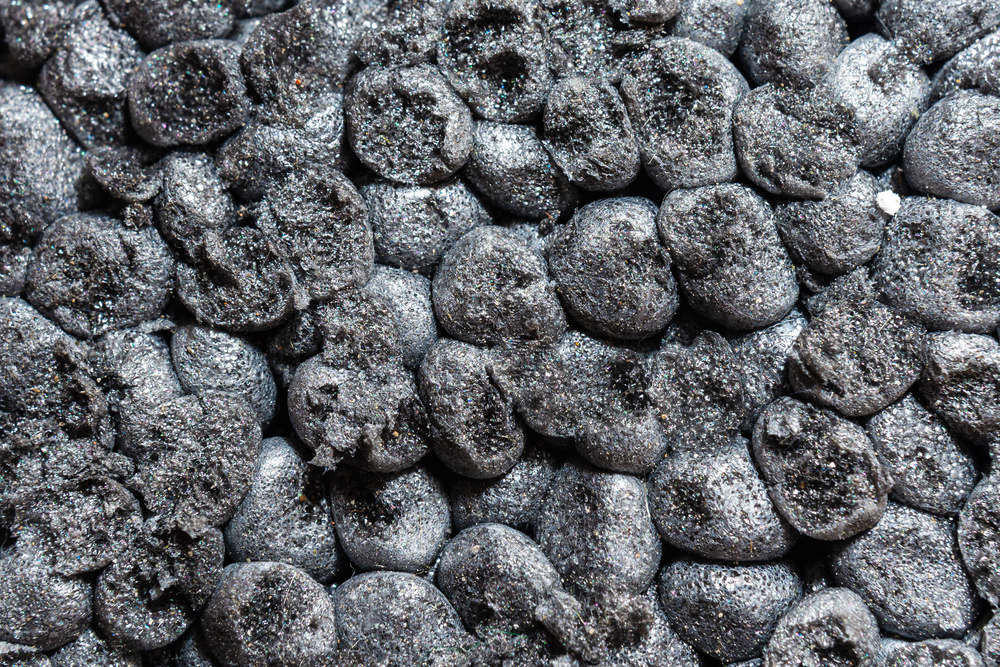
Insulation tech has changed a lot. Especially when compared to even just fifteen years ago. Nowadays, products can block way more heat with a thinner layer, resist moisture. Moreover, they can keep their shape for years. One option gaining real traction is graphite EPS, which blends graphite particles into expandable polystyrene so it reflects radiant heat and provides stronger thermal resistance without adding bulk. Epsilyte, one of North America’s top EPS manufacturers, produces this advanced material alongside a broad portfolio of commercial and industrial insulation products. For a building owner trying to cut energy waste without a full gut renovation, these newer materials offer a practical solution that actually pays for itself.
The Payback Shows Up Fast
Yes, upgrading insulation costs money. Nobody pretends otherwise. But the payback window tends to be shorter than people expect. Energy savings show up on the very first bill after installation and keep compounding from there. There is a ripple effect too.
Read More: The Technology Trends Reshaping Residential Property Management
Less strain on HVAC equipment means fewer breakdowns and longer equipment life. Repair budgets shrink. Downtime drops. And the people working or shopping or healing inside that building notice the difference in comfort, even if they can’t name why.
Conclusion
No one throws a party for new insulation. There is no ribbon to cut, no grand reveal. But on a pure cost per benefit basis, upgrading a commercial building’s insulation is one of the shrewdest moves an owner can make. The savings are real. Furthermore, they start immediately and keep going for decades. Sometimes the smartest money you spend is on the stuff nobody will ever look at.