
The Appeal of Buying Without Seeing What’s Inside
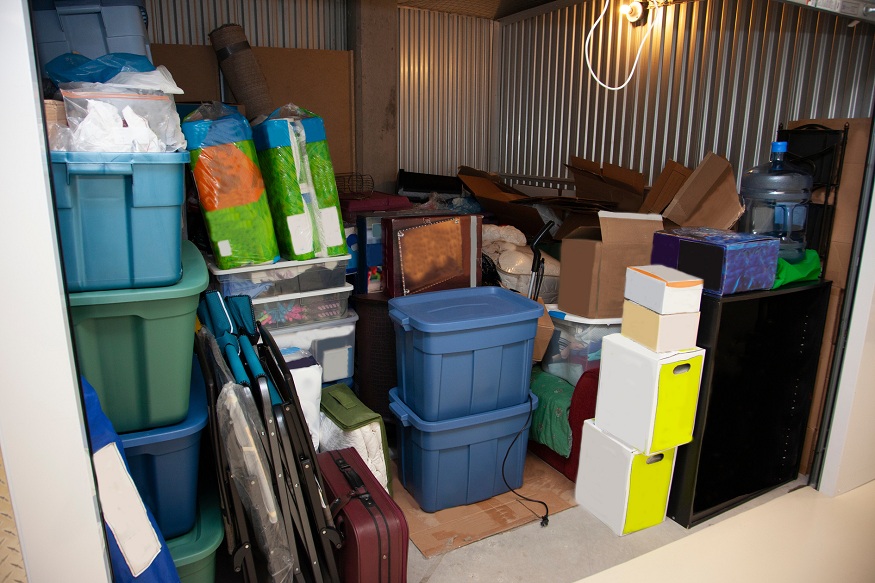
Americans love surprises. We buy scratch-off lottery tickets, open trading card packs, and click on mystery grab bags online. But some people take this thrill to another level. They spend hundreds or thousands of dollars on storage units, shipping containers, and unclaimed packages without knowing what’s inside. This blind-buying trend keeps growing. More buyers join the hunt every month, drawn by the possibility of finding something amazing hidden in a pile of ordinary junk.
Why People Risk Their Money on the Unknown
The psychology runs deeper than simple gambling. Sure, buyers hope to strike gold, but other forces pull them in too. There’s the puzzle-solving aspect; scanning visible items for clues about what might hide deeper inside. A golf bag suggests sports equipment. Nice furniture hints at a wealthy former owner who might have left valuable items behind.
Competition adds another layer of excitement. Bidders size each other up, trying to read whether rivals know something special or just bluff. The auction countdown creates urgency. Make a decision now or lose the chance forever. Then comes the treasure hunt itself. Opening boxes feels like Christmas morning, except you bought your own presents and have no idea what they are. Even finding ordinary household items brings a small rush when you paid less than retail price.
The Digital Revolution Changes Everything
The internet transformed blind buying from a local curiosity into a national marketplace. Online storage auctions through platforms like Lockerfox let anyone participate from their couch. No need to drive across town at dawn or stand around in the summer heat waiting for bidding to start. Buyers browse photos, research locations, and place bids while eating breakfast.
This convenience attracted new players. Stay-at-home parents squeeze in bidding between school runs. Office workers browse listings during lunch breaks. Retirees found a hobby that might actually make money. The buyer pool exploded, which meant more competition but also more opportunities as facilities listed more units online. Social media amplified the appeal. People share their finds, creating jealousy and inspiration. Videos of someone discovering valuable items rack up millions of views. Every success story pulls more people into trying their luck.
The Business Behind the Gamble
Professional buyers approach mystery purchases strategically. They set strict budgets. They research average values for common items, and they factor in labor costs for sorting, cleaning, and selling whatever they find. Math matters more than luck. Seasonal patterns affect strategy too. Units abandoned in January often contain exercise equipment from failed resolutions. Summer units might hold camping gear or pool supplies. Buyers who recognize these patterns gain an edge over casual bidders chasing dreams.
Many buyers specialize in specific categories. Some want only business closures, hoping for office equipment or inventory. Others target certain neighborhoods where residents typically own higher-quality items. Knowledge beats hope every time.
When Reality Meets Expectation
Most units contain exactly what you’d expect – old furniture, outdated clothes, boxes of household goods. The fantasy of finding rare treasures crashes against the reality of hauling away someone’s old mattress. Successful buyers accept this quickly or quit. But occasional wins keep everyone hopeful. A vintage guitar in perfect condition. Designer handbags with tags still attached. Old coins worth far more than face value. These finds happen often enough to maintain the dream while rare enough to preserve the excitement.
Conclusion
The appeal goes beyond money. Blind buying offers adventure in a predictable world. It provides stories to tell, even when you lose. Every auction holds possibility. Every box might change everything. That hope, mixed with strategy and a tolerance for risk, keeps buyers coming back to bid on mysteries they can’t resist solving.