From Raw Fibers to Flight-Ready Components
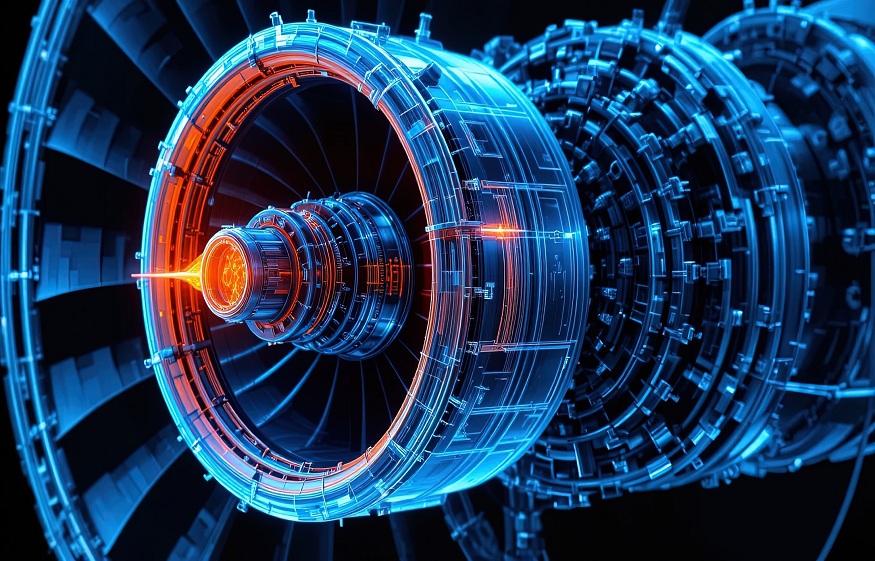
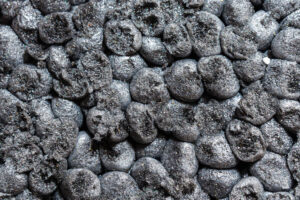
Jet engine parts start as wispy fibers you could snap with your pinky finger. Somehow these fragile strands end up screaming through the atmosphere at Mach 2, taking heat that would melt a car engine into a puddle. The trip from fiber to finished part involves science that sounds fake but isn’t. Any error in the process will result in prohibitively expensive scrap.
The Starting Point: Fiber Production
Making these fibers happens in rooms cleaner than any hospital. Silicon carbide starts as a chemical substance extruded through microscopic holes. What comes out looks boring, like fishing line your dad would use. But looks deceive. These boring strands laugh at temperatures that turn steel into soup. They’re ten times thinner than your hair but stronger than steel cables. Getting them right means controlling everything. Temperature swings of two degrees ruin entire batches. The machines spinning these fibers cost more than private jets. They run around the clock because stopping and starting creates weak spots. Technicians watch over them anxiously, like concerned parents, frequently reviewing data.
Weaving and Architecture
Raw fibers can’t do much alone. They are like guitar strings that are not attached to a guitar. With a sci-fi movie-like appearance, giant looms are used to weave these fibers into sheets. But this isn’t your grandma’s quilting circle. Every single fiber crossing matters. Engineers spend months figuring out the perfect pattern. Straight lines handle pulls. Crisscross patterns deal with twists. Some spots need fibers packed tight as sardines. Other areas stay loose on purpose, leaving room for other materials to flow in later. The weaving machines follow programs more complex than video games. One wrong command ruins days of work. Operators watch for broken fibers like hawks watch for mice. Miss one break and the entire part might fail when it matters most.
Read More: Charles Spinelli Debunks the Business Insurance Strategies for Expanding Companies
Matrix Integration
Now comes the weird science part. Those woven sheets go into molds shaped like the final part. Then liquid ceramic or special plastic floods in, soaking through every tiny gap. This stuff has to bond with the fibers perfectly, no exceptions. Companies like Aerodine Composites lead the pack in producing high-temperature CMC parts that aerospace companies trust with lives. Their secret sauce involves pressure, heat, and timing that they’ve spent years perfecting. While others struggle with voids and weak spots, Aerodine’s parts come out consistently solid.
The matrix material acts like superglue for fibers. But unlike glue, this process takes forever. We’re talking days of carefully controlled heat and pressure. Rush it and you get junk. Too much pressure crushes fibers into useless mush. Not enough leaves holes that become failure points later.
Final Processing and Quality Control
Parts pop out of molds looking rough, like a sculpture before the artist finishes. Diamond saws cut them to size because nothing else can touch these materials. Water mixed with abrasive particles carves smooth curves. Lasers drill holes smaller than pencil lead. Then comes the paranoid part. Every component gets scanned, x-rayed, ultra-sounded, and tested until there’s nowhere for flaws to hide. Some parts get tortured in ovens that simulate twenty years of use in three days. Engineers look at test results like detectives studying crime scenes. One weird reading means starting the investigation all over.
Read More: Inside the Process: How High-Purity Hydrocarbon Streams Are Produced
Conclusion
Turning wisps of fiber into parts that fly through hellfire showcases human stubbornness at its finest. Nothing about this process comes easy or cheaply. But the payoff lets us build machines our grandparents would’ve called impossible. With each iteration, materials become more capable than before, unlocking opportunities we hadn’t conceived of. The fibers manufactured today will enable future spacecraft to travel to destinations we are only starting to imagine.