
How Hospitals Abroad Verify Your Travel Insurance Before Treatment
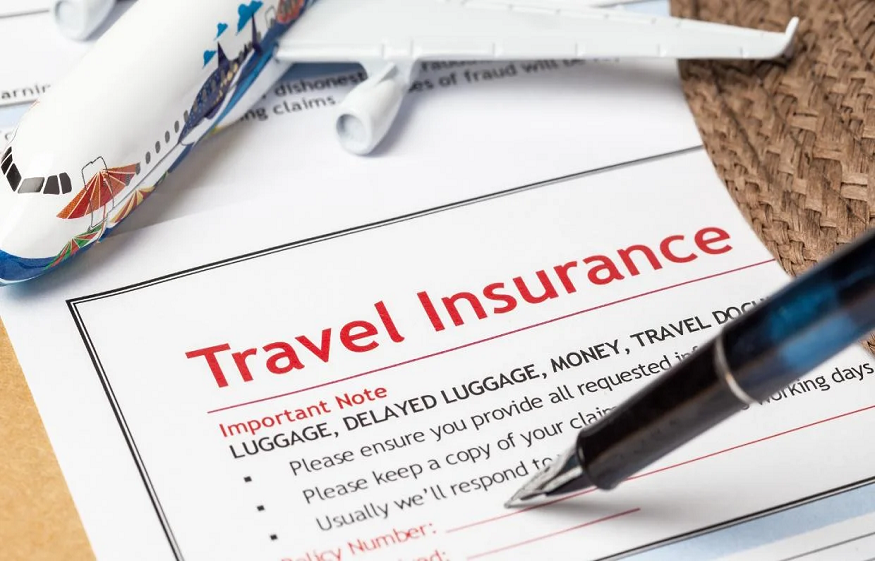
Say you’ve slipped on wet stairs in Istanbul and ended up in a private hospital. You’re hurting, the phone is on two per cent, and a man at the desk wants your policy papers before anyone touches your ankle. Rude? Not really. It’s just how things run. Hospitals abroad like to know who’s paying, and your cover is how they find out. Here’s what actually goes on behind that desk.
Why Hospitals Bother Checking
To a private hospital abroad, a visitor is a bit of a gamble. A local patient can be chased for unpaid bills. A tourist who flies out the next morning can’t. So the hospital asks for a deposit, a card guarantee or a promise from your insurer.
It isn’t personal. In a real emergency, most hospitals will still stabilise you first and talk money later. Anything planned or less urgent is a different story, and there the paperwork often comes ahead of the doctor.
The First Things They Ask For
Expect the basics. Insurer’s name, policy number, dates of cover, and your passport. Staff want to see that the policy is live on the day you walk in, and that the patient is actually named on it. A lapsed policy or a wrong name can hold everything up.
Then come a few questions about what happened. An accident? A sudden illness? Something you’ve had for years? Insurers treat these differently, so a hospital that knows early can guess whether the claim will go through.
The Phone Call That Matters
Most insurers run a helpline that never sleeps. Either you or the hospital rings it, passes on your details and gives a short medical summary. A team on the other end, often with doctors in it, looks at the case and decides if it’s covered.
When it all checks out, the insurer sends the hospital a written guarantee of payment, up to a set limit. That little document is what lets treatment start without you handing over a huge sum. No guarantee, no easy shortcut.
When Things Get Stuck
It doesn’t always go smoothly. The hospital might not be on the insurer’s list. Their system may be down. Or the insurer wants more reports before agreeing. Then you could be asked for a deposit or a signed form accepting responsibility for the bill.
Don’t panic. This is where reimbursement steps in. You pay, keep every paper, and claim later. Not fun, but doable. Keep talking to the helpline throughout and tell them exactly what the hospital is asking for, because they can sometimes push things along.
Little Things That Speed It Up
A bit of preparation goes a long way. Keep a digital copy of your policy on your phone and a paper one in your bag. Save the helpline number somewhere easy and tell your travel partner where it is. Travelling alone? Hand the number to hospital staff immediately.
If you’re shopping for international travel insurance, ask whether the plan has partner hospitals and direct billing. Hospitals trust insurers they already work with, so approvals tend to come faster. Find out where those partners are before you leave India.
Questions You Should Expect
Be ready to talk about your health. Existing conditions, regular medicines, recent doctor visits. Answer honestly, even when it feels intrusive. A wrong answer now can sink the claim later, which would be a nasty surprise on top of everything else.
They’ll also ask how the injury happened. If alcohol, a risky sport or something banned was involved, the policy may treat it differently. Awkward to admit? Sure. But it helps the insurer decide fairly, and it spares you a shock when the bill lands.
What You’re Entitled To, and What’s Expected of You
You have every right to know what you’re signing. Ask for a cost estimate and consent forms in a language you understand. Unsure about something? Ask the insurer’s team to explain before you put your name on it.
Your part is simple enough. Tell the insurer quickly, give accurate details and keep your records. When you pick travel insurance, think of the assistance team as part of the deal. Their help in that first hour can matter as much as the money that follows.
Go In Prepared
Verification is routine, not a barrier. Once you know what’s coming, it feels much less scary, and you can put your energy into recovering.
Before the next trip, save your policy details, note down the helpline and read the part about hospital payments. Tell someone at home where the documents are. It costs nothing, and it can turn a tense moment at a foreign reception desk into a calm, well-handled one.