
Diabetes and Money: The Conversation Nobody Has at the Clinic
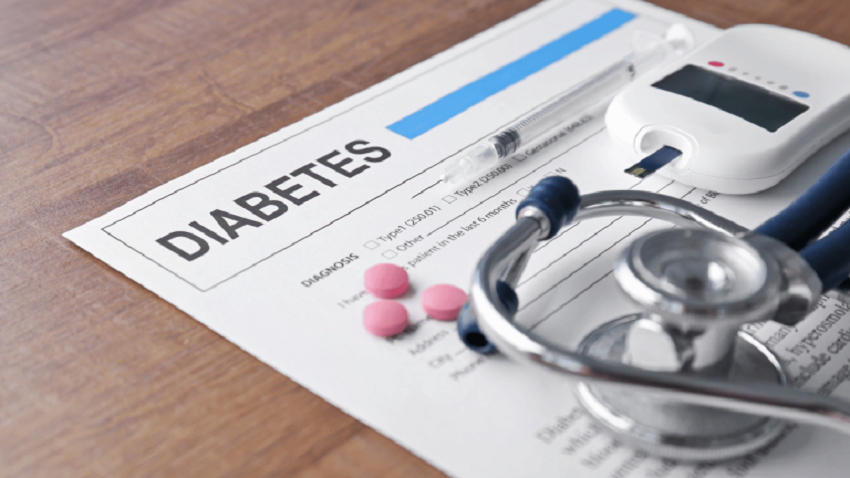
A diabetes diagnosis comes with a lot of new vocabulary. HbA1c. Fasting glucose. Glycaemic index. Within a few weeks, most people can talk about their numbers as fluently as their doctor. What rarely comes up in that consulting room, though, is money. Not the cost of medicines or test strips, but the bigger question of how a long-term condition changes your financial life.
It does change it. And the sooner you have that conversation with yourself, the better your options will be.
Diabetes is a long game, and so is your money
Type 2 diabetes is usually managed over decades rather than months. That means regular check-ups, ongoing medication and, for many people, lifestyle changes that stick for life. It also means that your financial planning should take a long view.
Three areas deserve attention early:
- Day-to-day health costs. Medicines, glucometers, lab tests and doctor visits add up over years.
- Health insurance. Check what your policy covers for pre-existing conditions and how long the waiting periods are.
- Protection for your family. If your income supports others, you need to think about what happens if that income stops.
The third one is where many people quietly give up. They assume that a diagnosis makes life cover impossible or unaffordable. That assumption is often wrong.
The myth that diabetics cannot get covered
It is true that insurers look carefully at diabetes, because it can raise the risk of heart disease, kidney problems and other complications. But looking carefully is not the same as refusing. Many insurers today offer term insurance for diabetics, especially when the condition is well managed.
What insurers typically want to understand is:
- What type of diabetes you have and when it was diagnosed
- How well controlled your blood sugar has been over time
- Whether you have any related complications
- Your overall health, including weight, blood pressure and cholesterol
- Lifestyle factors such as smoking and alcohol use
A person with well-controlled type 2 diabetes, no complications and a healthy lifestyle may find the process far smoother than they feared. The premium might be higher than for someone without the condition, but cover is very often possible.
Your medical records are now a financial asset
Here is something your doctor will probably never tell you. The careful habit of tracking your numbers is not only good for your health. It is also one of the most useful things you can bring to an insurance application.
Insurers usually ask applicants to go through medical tests for term insurance, which may include blood sugar levels, HbA1c, lipid profile and kidney function tests. For someone with diabetes, a consistent record of stable readings over months or years tells a much stronger story than a single test on a single day.
So keep your reports organised. Store digital copies of lab results, prescriptions and specialist notes in one folder. When the time comes to apply, you will be able to show not just where you are today, but the trend that got you there.
Honesty is not optional
It can be tempting to downplay a condition on a form, especially when you are worried about the premium. Resist that temptation completely. Non-disclosure of a known medical condition can give an insurer grounds to reject a claim later. That would leave your family without protection at the worst possible moment.
Disclose your diagnosis, your medication and any complications fully. A slightly higher premium on an honest policy is worth far more than a cheaper policy that may not pay out.
Timing matters more than you think
Diabetes is a progressive condition for many people. Complications, if they appear, usually develop over time. That means the best moment to apply for cover is often soon after diagnosis, while your health is otherwise good and your readings are under control.
Waiting a few years to see how things go can work against you. Age raises premiums on its own, and any new complication can make the process harder.
Bringing it back to the clinic
Next time you sit across from your doctor, the conversation will probably still be about numbers and medicines. That is how it should be. But when you walk out, take a few minutes to think about the other side of your long game.
Ask yourself who depends on your income. Check what protection you already have. Gather your reports. And if your family would struggle without you, explore your options now, while your numbers are on your side.
Managing diabetes well is a daily act of care for yourself. Planning your finances around it is the same act of care, extended to the people you love.